
Workshop
Being Michelle: Communication Access for Deaf and Disabled Individuals
Time:
Monday, August 17th | 01:00 PM – 02:30 PM
Description:
This 1.5-hour workshop examines the fundamental human right to communication for Deaf, Deaf+, and disabled individuals within correctional, probation and parole systems, using the documentary Being Michelle as a central case study. Participants will explore the systemic barriers faced by Deaf individuals in custody and under supervision, alongside the operational and ethical challenges correctional leaders encounter in meeting accessibility obligations.
Despite being labeled a "low-incidence" population, Deaf individuals are disproportionately represented in carceral settings. According to the Bureau of Justice Statistics, Deaf people are incarcerated at roughly twice the rate of the general population, with estimates suggesting 1 in 16 individuals in federal prisons, and 1 in 10 in state prisons are Deaf (Maruschak et al., 2016).
The session brings together a multidisciplinary panel, including correctional leadership, a formerly incarcerated Deaf individual, a consultant, and the documentary film's producer. Through a moderated, conversation-style format, panelists will share lived experience, institutional perspectives, and practical insights.
Attendees will gain a clearer understanding of communication access as a legal and human rights imperative, as well as actionable strategies for improving service delivery. The workshop highlights human-centered approaches and emerging technologies that can support more equitable, effective communication systems within correctional and community environments.
Training Objectives:
Participants will build practical skills and strategies to support effective communication with Deaf, Deaf+, and disabled individuals under community supervision. By the end of this 1.5-hour workshop, probation and parole professionals will be able to:
- Identify and describe at least three common communication barriers experienced by Deaf individuals during supervision processes, including intake, reporting, and compliance requirements.
- Analyze case examples from Being Michelle and field-based scenarios to assess how communication gaps can impact supervision outcomes, compliance, and public safety.
- Apply at least two accessible communication strategies or tools (e.g., qualified interpreters, assistive technologies, adapted reporting methods) in simulated or real supervision contexts.
- Evaluate their current supervision practices against legal and ethical standards for accessibility, including ADA-related obligations, and identify at least one area for improvement.
- Develop one specific, actionable step they can implement within 3–6 months to improve communication access and engagement with Deaf or disabled individuals on their caseload.
Activity:
This facilitated activity centers on two firsthand case narratives presented by a formerly incarcerated Deaf individual and a former correctional leader. Each speaker will share a real-world scenario: one illustrating the lived consequences of being denied access to effective communication while incarcerated, and the other detailing the institutional challenges and legal ramifications, including ADA-related litigation, faced when communication access standards were not met.
Following the narratives, participants will engage in a guided reflection and small-group discussion to identify key breakdowns in communication, supervision practices, and institutional response. Attendees will be prompted to analyze how these scenarios relate to their own roles in probation and parole settings, including points of risk, responsibility, and opportunity for intervention.
The activity concludes with a brief facilitated debrief, where participants will identify at least one actionable change in practice or approach that could prevent similar outcomes in community supervision contexts. This exercise is designed to deepen understanding through lived experience, strengthen critical analysis, and support the application of ADA-compliant, human-centered communication strategies.
Presenters:
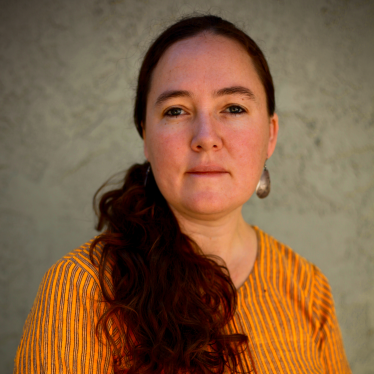
MAE THORNTON MEHRA
Producer, Being Michelle, Executive Director & Co-founder, Thriving Roots Initiative.
MAE THORNTON MEHRA has been producing social justice and impact driven films with her husband and filmmaker, Atin Mehra at Orange Kite Productions for over 15 years. She prides herself on openly creative collaborations between film participants and diverse production teams as she believes that impact begins within the filmmaking process itself. In 2020, Mae and Atin co-founded the nonprofit Thriving Roots Initiative to further their work of social impact documentary filmmaking. Mae is Producer on BEING MICHELLE (2022), a documentary film that is helping to change the way Deaf and Disabled people are treated in criminal justice systems in the US and globally.
While BEING MICHELLE raises many pertinent issues faced both by Michelle and a large population in the US and globally, our team is passionate about specifically using the film to help ensure the basic human Right to Communication for Deaf and Disabled people in social and criminal justice systems.
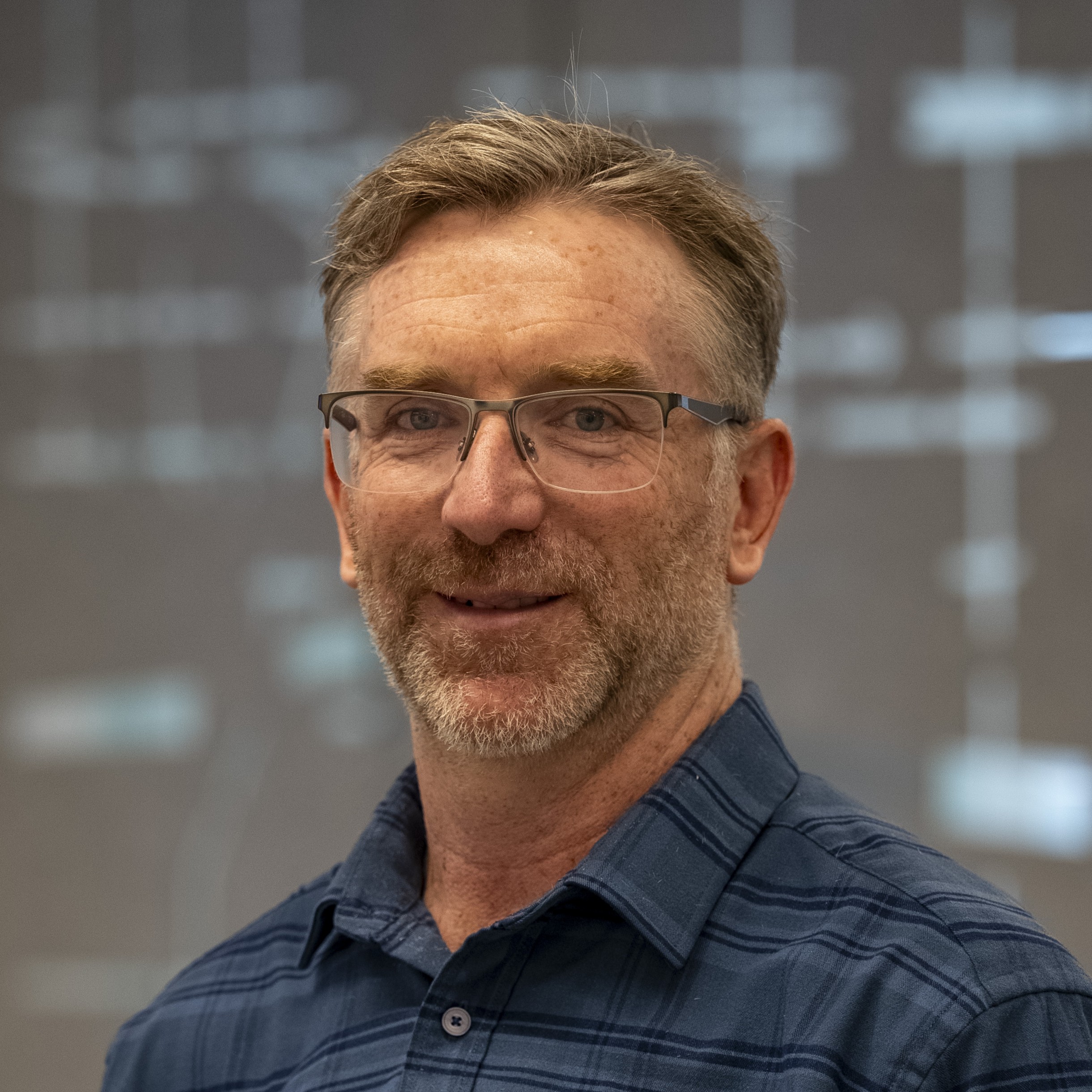
Matthew Burke
Director of Justice Initiatives at Chicago Beyond
Matt Burke has extensive experience in law enforcement leadership and criminal legal system reform. As Director of Justice Initiatives at Chicago Beyond, he leads efforts to improve the safety, wellness, and dignity for people living and working in jails and prisons nationwide.
Matt helps correctional systems implement Chicago Beyond’s Holistic Safety Framework, a human-centered approach focused on creating a safer, healthier, and more rehabilitative correctional system. His work is grounded in collaboration, bringing together system leaders, frontline staff, people incarcerated, and community partners to identify challenges and develop practical solutions.
Before joining Chicago Beyond, Matt served as Deputy Director of Litigation for the Chicago Police Department, where he led legal teams, advised on high-profile matters, and supported major policy reforms and Consent Decree compliance.
Matt previously spent more than 14 years with the Cook County Sheriff’s Office. As Executive Director of Human Resources, he oversaw personnel, workplace safety, and staff wellness efforts for 5,500 employees across more than 20 facilities. As Chief of Staff for the Cook County Department of Corrections, he helped develop and implement comprehensive reforms that ended 40 years of federal oversight over the Cook County Jail.
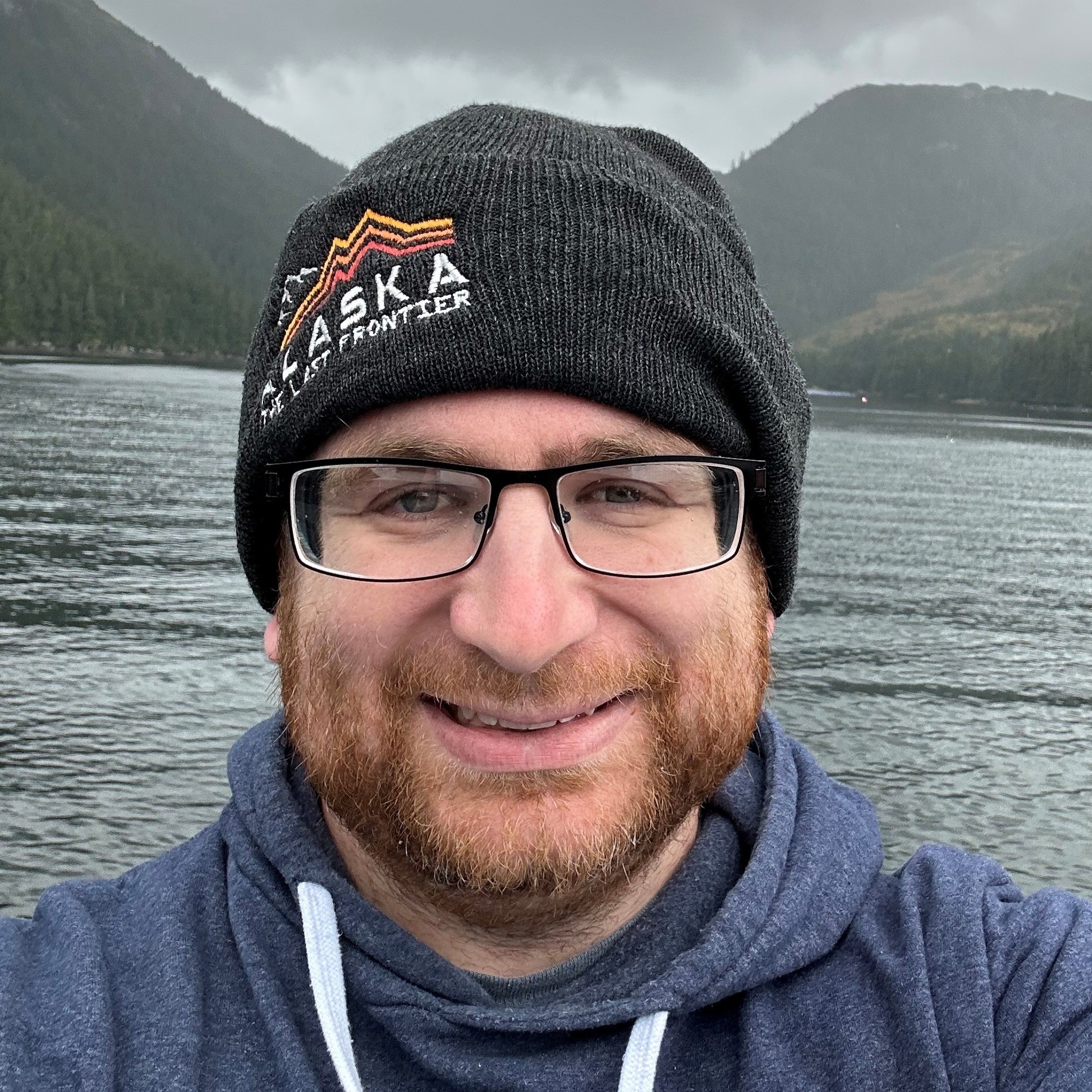
Ben Wright
Director of Disability Access in Prison Education at The Community
A writer, educator and advocate, Ben focuses on expanding equitable access to higher education for incarcerated students with disabilities. Ben holds degrees in English literature, creative writing, special education, and leadership, and is currently pursuing a Ph.D. in English Literature. His work blends disability advocacy, storytelling, and systems change, with a particular focus on accessibility, prison education, and the power of narrative to challenge stigma and barriers.
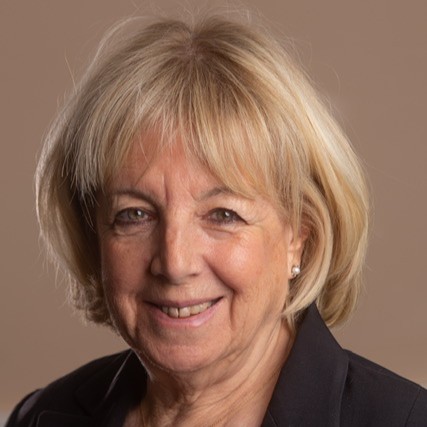
Eileen Baker, M.Ed.
Consultant
Eileen Baker, recipient of a Master’s Degree in Education of the Deaf from Smith College, serves as an educator, consultant and expert witness to industry, education and government agencies. Her professional services have included providing technical assistance to The National Institute of Corrections and The Federal Bureau of Prisons. Expertise is provided in issues pertaining hearing loss of individuals in a correctional environment to comply with the Americans with Disabilities Act, the Individuals with Disabilities Education Act and the Department of Justice. Her experiences include working directly with deaf and hard of hearing inmates in addition to consulting with state, local and federal corrections agencies across the United States. She has presented workshops nationally and internationally and written articles published in professional literature and authored American Sign Language for Law Enforcement, Corrections Communication and Correctional Health Care Professionals . Several states have utilized her expertise as an expert witness in litigation pertaining to deaf and hard of hearing correctional inmates.
Eileen Baker’s professional experience, in addition to having deaf parents and grandparents, provides a greater understanding of this disability while ensuring compliance with federal, state and local mandates specific to equal access to programs and services.
Special Documentary Screening
Being Michelle: What is the Basic Human Right to Communication for Deaf, Deaf+, and Disabled People in Our Social and Criminal Justice Systems?
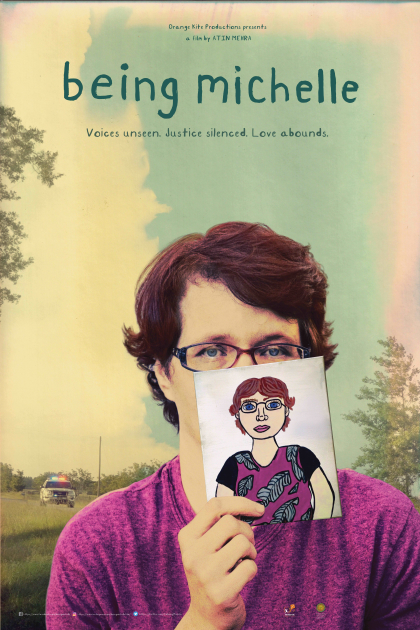
Synopsis: A deaf woman with autism who survived incarceration uses her artwork todepict the trauma she endured and heal from her past.
Runtime: 80 min documentary film
Learning points:
- The basic human right to communication is often denied Deaf, Deaf+ and Disabled individuals in social and criminal justice systems.
- Deaf and Disabled people need timely, individualized communication access at every stage of a system, not just a generic accommodation.
- Miscommunication can be life-altering and can lead to wrongful assumptions, trauma, isolation, and unjust outcomes.
- Systems need to be trauma-informed and intersectional, recognizing that disability, communication, race, gender, and past trauma can compound risk.
Screening Time on Tuesday, August 18th:
- Screening #1: 12:30 PM – 01:50 PM
- Screening #2: 02:00 PM – 03:20 PM
- Screening #3: 03:30 PM – 04:50 PM
Producer
MAE THORNTON MEHRA
Producer, Being Michelle, Executive Director & Co-founder, Thriving Roots Initiative.
MAE THORNTON MEHRA has been producing social justice and impact driven films with her husband and filmmaker, Atin Mehra at Orange Kite Productions for over 15 years. She prides herself on openly creative collaborations between film participants and diverse production teams as she believes that impact begins within the filmmaking process itself. In 2020, Mae and Atin co-founded the nonprofit Thriving Roots Initiative to further their work of social impact documentary filmmaking. Mae is Producer on BEING MICHELLE (2022), a documentary film that is helping to change the way Deaf and Disabled people are treated in criminal justice systems in the US and globally.
While BEING MICHELLE raises many pertinent issues faced both by Michelle and a large population in the US and globally, our team is passionate about specifically using the film to help ensure the basic human Right to Communication for Deaf and Disabled people in social and criminal justice systems.
PREMIER PLATINUM SPONSOR

RIVER NORTH SPONSORS


THE LOOP SPONSORS


COMMUNITY CORRECTIONS CHASE SPONSOR

CAREER AND RESOURCE FAIR SPONSOR

LEADERSHIP INSTITUTE SPONSORS
Contributing Sponsors
Abbott Toxicology - Expo Hall Bingo | Abraxas Youth & Family Services - Expo Hall Bingo | CATALIS - Expo Hall Bingo | DIMS Product Suite - Expo Hall Bingo | Empower Community Care - Expo Hall Bingo | FieldWare - Expo Hall Bingo | iCEV - Expo Hall Bingo | Journal Technologies - WiFi, Expo Hall Bingo | Lifelab Studio - Expo Hall Bingo | LifeSafer - Expo Hall Bingo | North American Learning Institute - Expo Hall Bingo | Procivica - Expo Hall Bingo | Securus Monitoring - Expo Hall Bingo | Smart Start - Lanyards | SuperCOM - Expo Hall Bingo | Tyler Technologies - Expo Hall Bingo
Also, special thanks goes to our Corporate Members!